
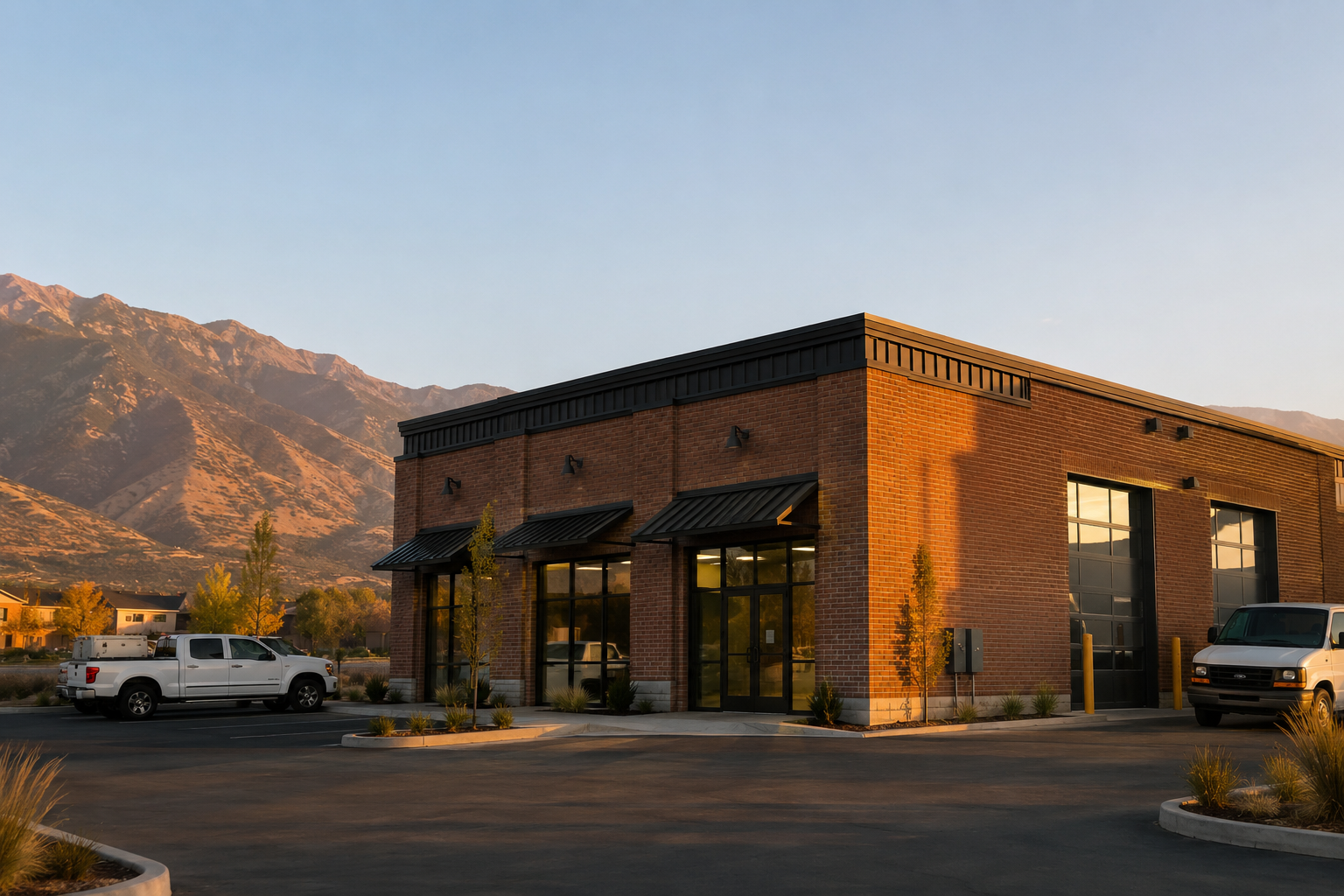
The SBA loans Utah business owners qualify for can turn years of rent into ownership. If you run a business in Utah and you are ready to buy your building, build a new facility, or invest in major equipment, the way you finance it matters as much as the purchase itself. Conventional commercial loans often ask for a large down payment and shorter terms that strain cash flow. For a lot of Utah business owners, an SBA loan is the better path, and the SBA 504 program in particular is built for exactly this kind of growth.
Here is a straightforward look at how SBA loans work in Utah, what the 504 program can do for you, and how to get started.
What is an SBA loan, and what makes the 504 different?
An SBA loan is a loan backed in part by the U.S. Small Business Administration. That government backing lowers the risk for lenders, which means better terms for you: lower down payments, longer repayment periods, and competitive rates.
There are two SBA programs most business owners hear about:
- SBA 7(a): A flexible, general-purpose loan used for working capital, inventory, buying a business, and more.
- SBA 504: A loan designed specifically for major fixed assets like commercial real estate and heavy equipment.
The 504 program is delivered through a Certified Development Company, or CDC, working alongside a bank. Intermountain Business Lending is a CDC that helps businesses across Utah and Idaho put these loans together. If your goal is to own real estate or fund large, long-lasting assets, the 504 is usually the strongest fit.
What Utah businesses use 504 loans for
The 504 program is purpose-built for the big investments that help a business put down roots. Common uses include:
- Purchasing an existing commercial building
- Constructing a new facility or expanding an existing one
- Buying land for business use
- Renovating or improving a property you already own
- Financing large, long-term equipment and machinery
If you are currently leasing and paying someone else’s mortgage every month, a 504 loan is often the tool that turns that rent into equity in your own building.
SBA 504 vs. SBA 7(a): a quick comparison
| Feature | SBA 504 | SBA 7(a) |
|---|---|---|
| Best for | Real estate and major equipment | Working capital, general use |
| Down payment | Typically low, often around 10% | Varies, usually higher |
| Term length | Long, up to 25 years on real estate | Shorter on average |
| Structure | CDC plus bank plus your down payment | Single lender |
| Rate | Fixed on the CDC portion | Often variable |
If you want to go deeper on this, we break it down further in our post on SBA 504 vs. SBA 7(a).
Who qualifies for an SBA loan in Utah?
Eligibility is more accessible than many owners assume. In general, your business should:
- Operate as a for-profit company in the United States
- Meet the SBA’s size standards as a small business
- Occupy at least 51% of the property being financed for an existing building
- Show the ability to repay through business cash flow
- Have owners with reasonable credit and some invested equity
You do not need perfect credit or a decade of history. What matters most is a viable business and a sound plan for the asset you are financing.
How much do you need down, and how is it structured?
One of the biggest advantages of the 504 is the low down payment. A typical structure splits the financing three ways: a bank covers a portion, the CDC covers a portion through an SBA-backed debenture, and you contribute a down payment that is often around 10%. That is far less than the 20% to 30% many conventional commercial loans require, which keeps more cash in your business.
Rates on the CDC portion are fixed, and they are tied to bond pricing that updates regularly, so the current rate is worth confirming before you plan around a number. The easiest way to see real figures for your situation is to run them through our SBA 504 loan calculator.
How to apply in Utah and Idaho
Getting started is simpler than most owners expect:
- Talk it through. A short conversation clarifies whether the 504 is the right tool and what property or equipment you are financing.
- Gather your basics. Business financials, tax returns, and details on the asset you want to fund.
- Structure the deal. Your CDC coordinates with the bank so the pieces fit together.
- Close and grow. Once approved, you move toward closing and put the funds to work.
Frequently asked questions
What is the difference between an SBA loan and a regular business loan? An SBA loan carries a partial government guarantee, which usually means lower down payments and longer terms than a conventional loan.
Can I use an SBA 504 loan to buy commercial real estate in Utah? Yes. Real estate purchase is one of the most common uses of the 504 program.
How much down payment do I need for an SBA 504 loan? It is often around 10%, though it can vary based on the business and the property.
Who offers SBA 504 loans in Utah? 504 loans are delivered through Certified Development Companies. Intermountain Business Lending serves businesses throughout Utah and Idaho.
Ready to explore your options?
If you are thinking about buying, building, or expanding, the 504 program may be the most affordable way to get there. Intermountain Business Lending has helped businesses across Utah and Idaho finance the spaces they grow into.
Run your numbers with our 504 loan calculator, or get in touch to talk through your project with someone who knows the program inside and out.