
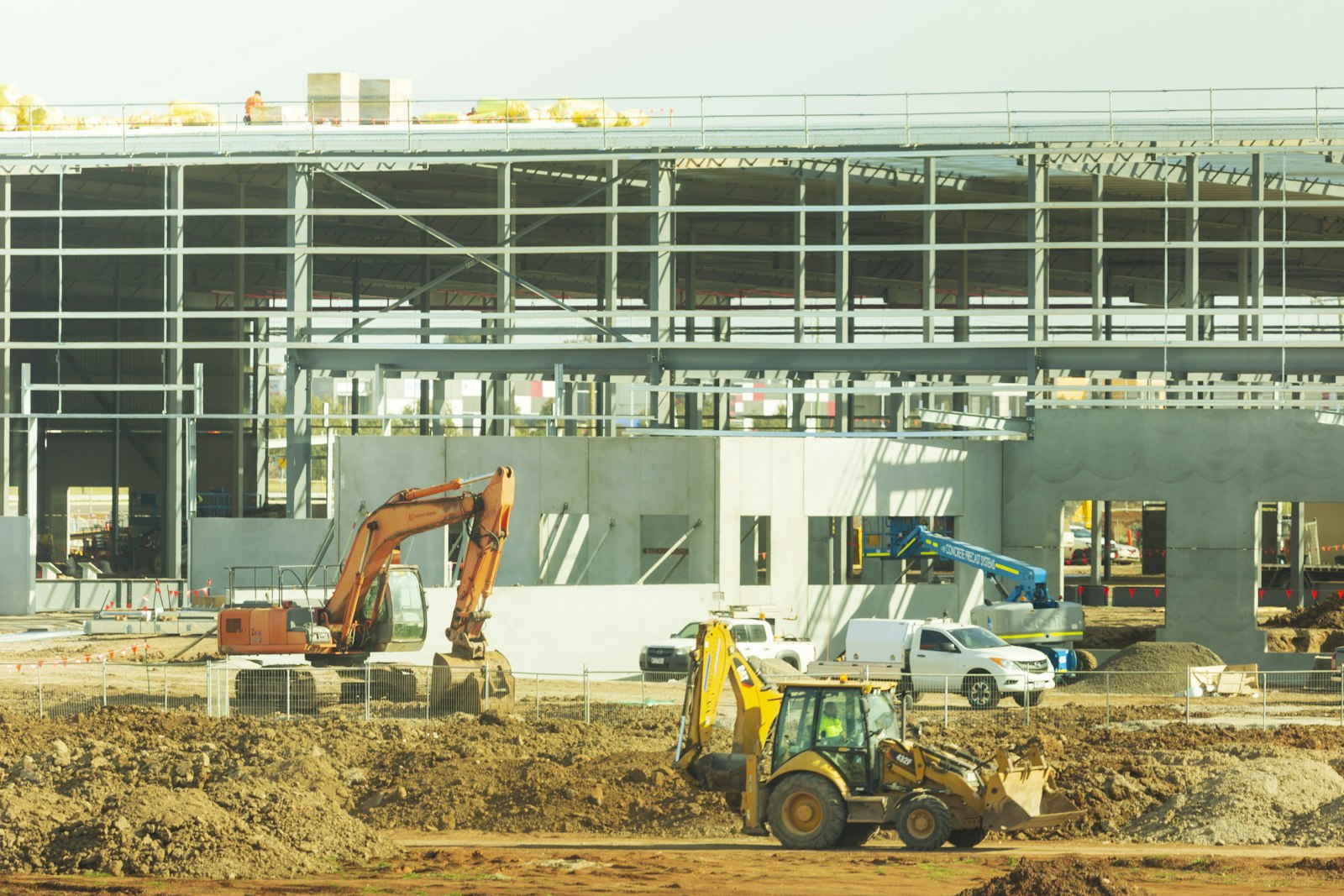
Sometimes the right building for your business doesn’t exist yet. Maybe you need a specific layout, more space than anything on the market, or a location that’s only available as raw land.
The SBA 504 loan isn’t just for buying existing buildings. It’s also one of the best tools available for building a new facility, with a low down payment and long-term fixed rates.
Here’s how an SBA 504 construction loan works.
What Can a 504 Construction Loan Cover?
A 504 loan can finance most of the costs of a ground-up or major construction project, including:
- Land purchase (or using land you already own)
- Site work, such as grading, utilities, and parking
- Construction costs for the building itself
- Soft costs, like architecture, engineering, permits, and impact fees
- Major fixtures and equipment that are part of the project
- A contingency for unexpected costs
Being able to roll land, building, and soft costs into one long-term loan is a big advantage over piecing together separate financing.
How the Financing Is Structured
A 504 construction project uses the same basic split as any 504 loan:
| Portion | Source | Typical Share |
|---|---|---|
| First mortgage | Bank or credit union | 50% |
| Second mortgage | Certified Development Company (SBA-backed) | 40% |
| Down payment | Your business | 10% |
The down payment can rise to 15% for businesses under two years old or special-purpose buildings, and 20% if both apply.
Already own the land? The equity in land you own can often count toward your down payment, which can significantly reduce the cash you need to bring.
How Interim Construction Financing Works
The CDC portion of a 504 loan is funded through an SBA-backed debenture, which is sold after the project is complete. So during construction, there’s a gap to fill.
That gap is usually covered by interim financing from your bank:
- The bank provides a construction loan for both its 50% portion and the CDC’s 40% portion.
- Funds are drawn as construction progresses, typically based on inspections or milestones.
- When construction is finished, the CDC’s debenture funds and pays off the bank’s interim loan for that 40% portion.
- You’re left with the bank’s long-term first mortgage and the CDC’s long-term fixed-rate second mortgage.
Your CDC and bank coordinate this process, so it feels like one project from your side.
Occupancy Requirements for New Construction
Because 504 loans are for owner-occupied property, your business has to use most of the building.
For new construction, your business generally needs to occupy at least 60% of the building right away, with plans to occupy 80% over time. The remaining space can be leased to other tenants until you grow into it.
That makes a 504 a great fit for owners who want to build with future expansion in mind.
Tips for a Smooth Construction Project
- Start the financing conversation early. Talk with a CDC before you finalize plans so your project is structured correctly from the start.
- Get detailed bids. Lenders will want a clear construction budget and a contract with a qualified general contractor.
- Build in a contingency. Unexpected costs are common on construction projects.
- Plan your timeline. Account for design, permits, and seasonal construction delays, especially in Utah winters.
- Think about the future. Build for where your business will be in five or ten years, not just where it is today.
Why Build With a 504?
- As little as 10% down on land and construction combined
- Long-term fixed rates on the CDC portion for up to 25 years
- Soft costs and many fees can be financed into the loan
- Room to lease extra space while you grow
Talk With Our Team About Your Project
Intermountain Business Lending helps Utah business owners finance new buildings through the SBA 504 program. We’ll work alongside your bank and contractor to structure your project from land purchase to move-in day.
To learn more, read about how much you’ll need to put down, try our SBA 504 loan calculator, or contact our team.